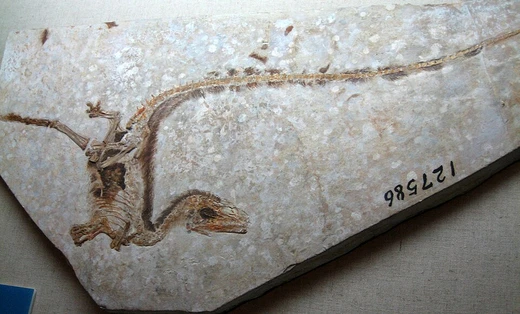
Allosaurus
Large bipedal predator of the late Jurassic period.

Fred Wierum · CC BY-SA 4.0
Marsh. The name 'Allosaurus' means 'different lizard,' alluding to its lightweight vertebrae. As one of the first well-known theropod dinosaurs, it has long attracted attention outside of paleontological circles.
- meaning_of_name
- different lizard
- average_length
- 8.5 meters (28 ft) for A. fragilis
- largest_estimated_length
- 9.7 meters (32 ft)
- classification
- Family Allosauridae
Lore & Background
For over half of the 20th century, the genus was known as Antrodemus, following Charles W. James H. Madsen's study of Cleveland-Lloyd specimens returned the name 'Allosaurus' to prominence. fragilis.
Reader's Guide
Allosaurus is significant as the most abundant large predator of the Morrison Formation, representing an apex predator that likely preyed on large herbivorous dinosaurs such as ornithopods, stegosaurids, and sauropods. Its complicated taxonomy includes at least three valid species, with A. fragilis being the best known. The genus has been central to debates about theropod social behavior, with evidence supporting both cooperative pack hunting and solitary congregation. The abundant remains from the Cleveland-Lloyd Dinosaur Quarry, including individuals of almost all ages and sizes, have made Allosaurus among the best-known of all theropods.
Did You Know?
- The name 'Allosaurus' means 'different lizard,' referring to its lightweight vertebrae.
- For over 50 years, the genus was known as Antrodemus before being returned to Allosaurus.
- The Cleveland-Lloyd Dinosaur Quarry preserves at least 46 individuals of A. fragilis.
The Bone Wars and a Name Born from Fragments
During the heated rivalry between Othniel Marsh and Edward Cope in the late nineteenth century, a small cache of fragmentary bones would give the world one of its most iconic dinosaurs. Marsh, dissatisfied with the overall quality, ordered the quarry shut that same season, yet still pressed ahead with two new species names, including Allosaurus fragilis. The name, drawn from Greek roots meaning "different lizard," reflected his conviction that the vertebrae's unusually lightweight architecture set this animal apart from every other known dinosaur. The species epithet, Latin for "fragile," echoed the same observation. Years later, Marsh brought back the quarry's original discoverer, Marshall Felch, whose continued work yielded far more substantial material, including a nearly complete skeleton that would eventually serve as the species' neotype.
Built for the Top of the Food Chain
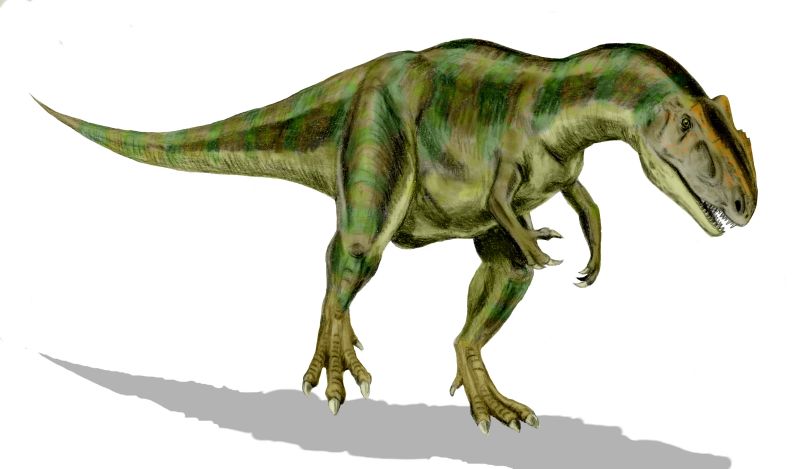
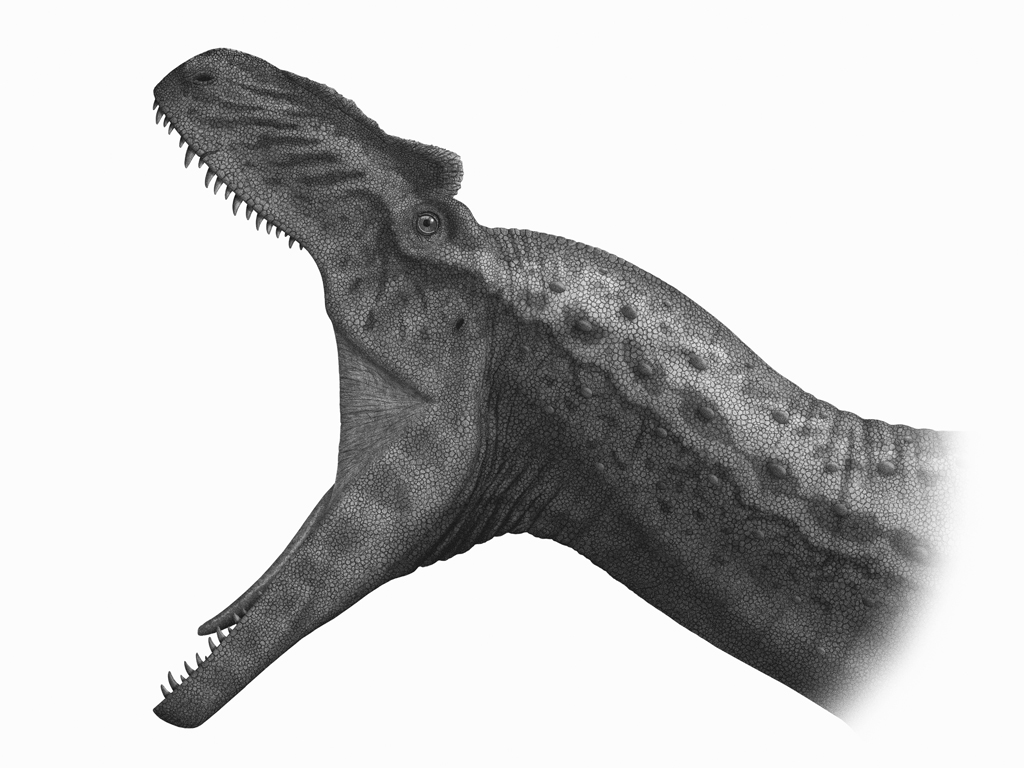
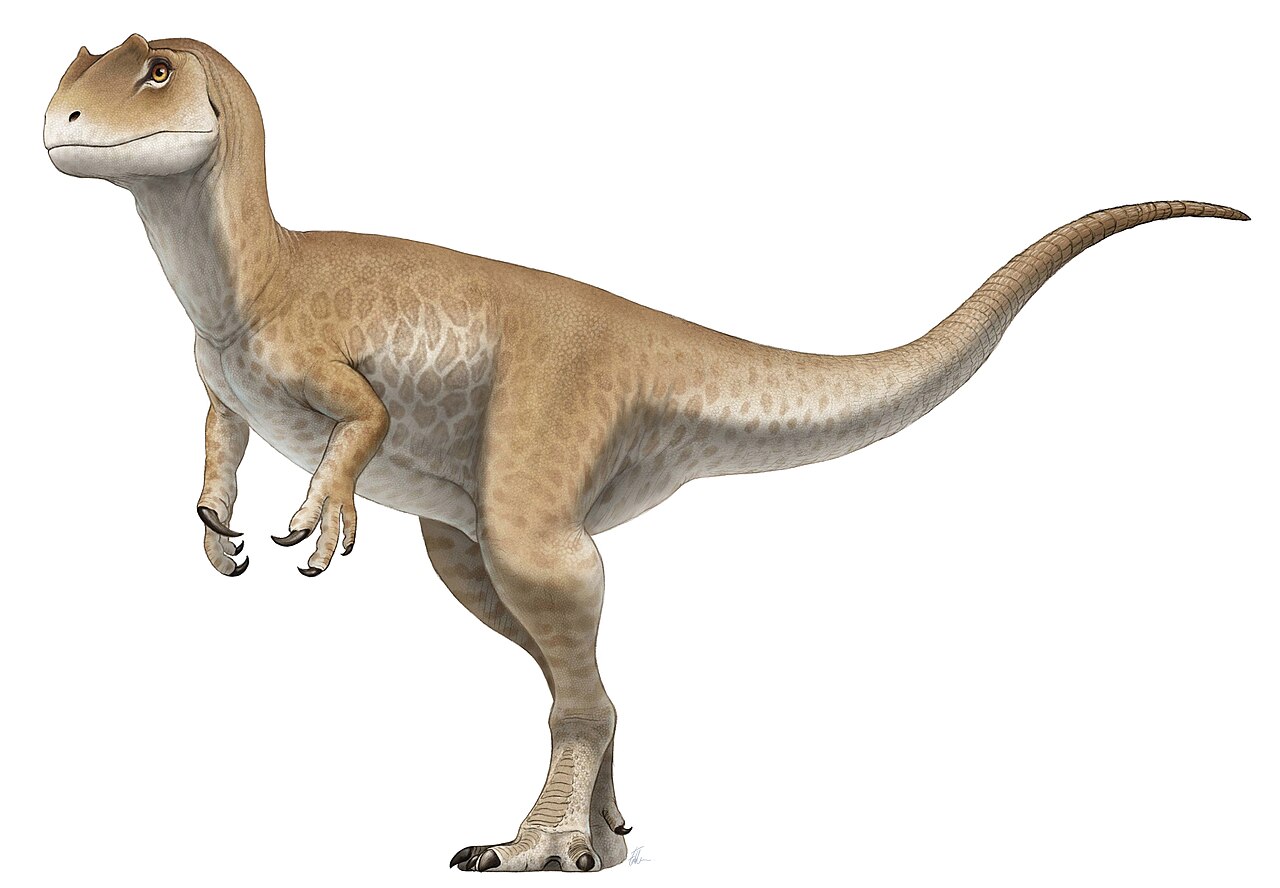
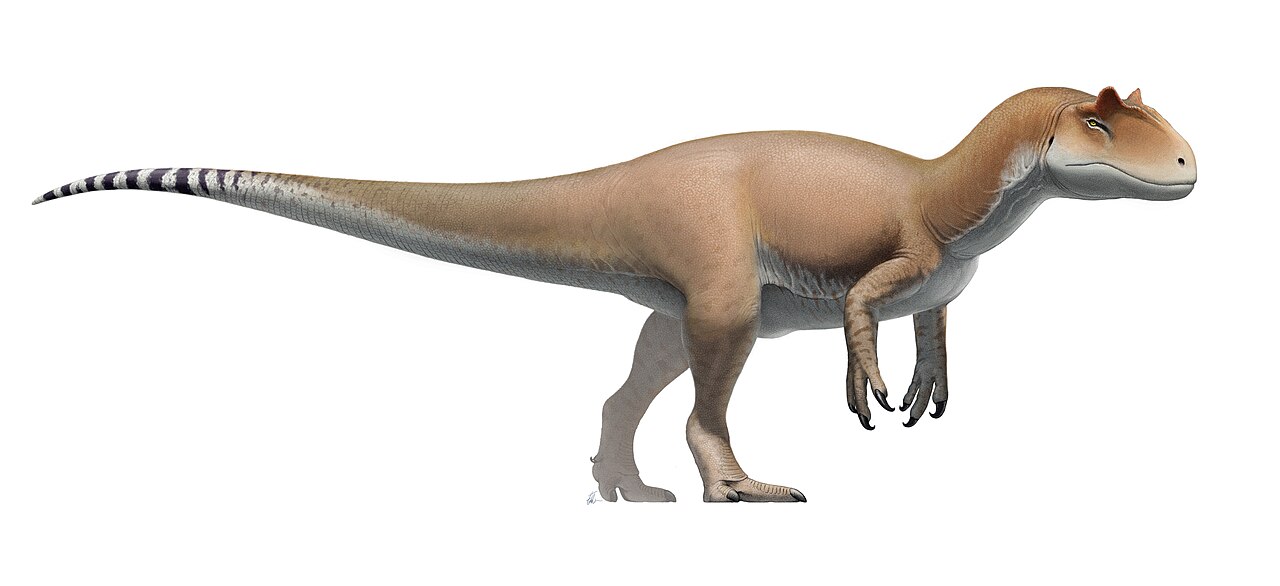
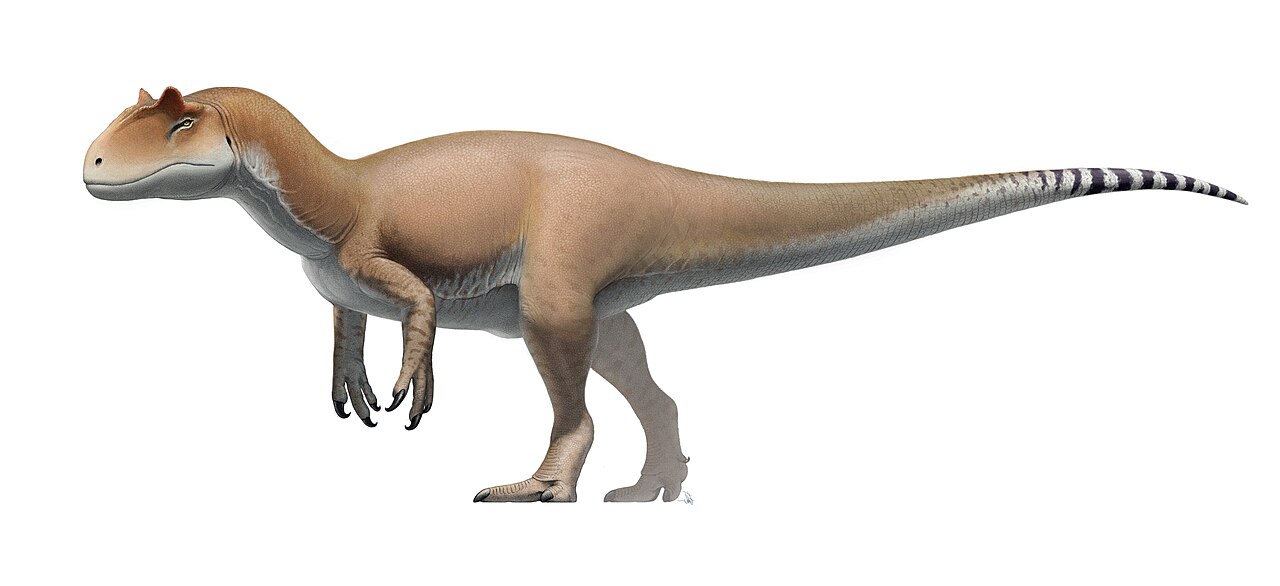
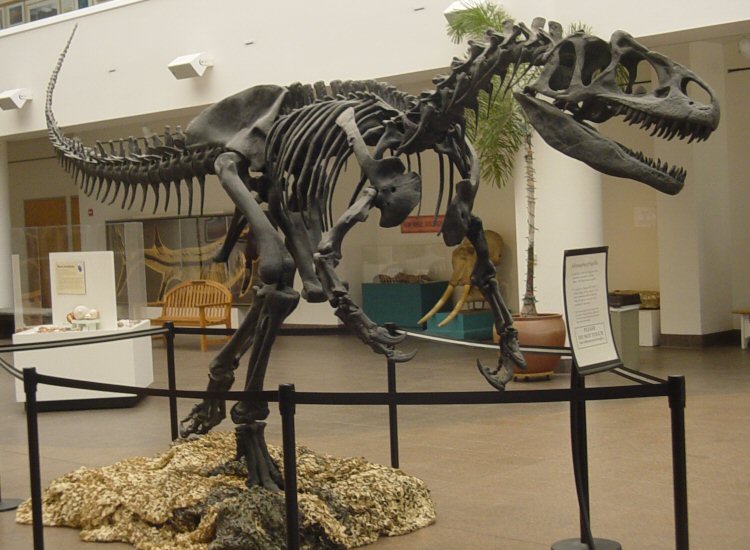
Allosaurus fragilis stood as a formidable bipedal hunter, averaging roughly 8.5 meters in length with the largest individuals reaching nearly 9.7 meters. Its skull combined lightness with robustness, housing dozens of sharply serrated teeth designed for tearing flesh. The animal's body plan reveals a clear division of labor: massive, powerful legs anchored the frame, while the forelimbs—each bearing just three fingers—were comparatively small. A long, heavily muscled tail provided counterbalance, keeping the center of gravity stable during pursuit. As the most numerically dominant large carnivore in the Morrison Formation, Allosaurus occupied the apex of its Late Jurassic ecosystem. Its probable menu included large herbivores such as ornithopods, stegosaurids, and even sauropods. Whether it coordinated attacks in groups or operated as a solitary hunter that occasionally gathered in loose congregations remains an open question, with fossil evidence lending support to both interpretations.
The Long Shadow of Antrodemus
For more than half the twentieth century, the dinosaur most people knew as Allosaurus went by an entirely different name. That ruling stuck for decades. The confusion was understandable: Marsh and Cope had coined a tangle of names with terse, incomplete descriptions, and even contemporaries like Williston noted that Marsh could never clearly separate Allosaurus from the closely related Creosaurus. The situation finally unraveled when James Madsen examined the rich assemblage from the Cleveland-Lloyd Dinosaur Quarry. He demonstrated that Antrodemus rested on material lacking any reliable diagnostic features and with an unknown geological origin, making it an invalid basis for the genus. Allosaurus thus reclaimed its rightful place in the scientific literature.
From Quarry to Icon
The cultural footprint of Allosaurus extends far beyond academic journals. Knight. As one of the earliest theropods to capture the public imagination, Allosaurus has long drawn attention well outside the paleontological community.
Common Misconceptions (Editorial)
Some people mistakenly think "Allosaurus" means "different lizard" because it was a strange or unusual dinosaur, but the name actually refers specifically to its lightweight vertebrae. Another common misconception is that the genus has always been known as Allosaurus, but in fact it was widely called Antrodemus for over half of the 20th century.
Why It Matters (Editorial)
Allosaurus endures as a cornerstone of dinosaur paleontology because it was one of the first large theropods to be thoroughly studied, helping shape our understanding of predatory dinosaurs. Its dramatic history—from being renamed Antrodemus to being restored through the rich fossil beds of the Cleveland-Lloyd Quarry—illustrates how scientific knowledge evolves and deepens over time.
Gallery
Frequently Asked Questions
What is Allosaurus?
Allosaurus is a large, two-legged carnivorous dinosaur classified in the family Allosauridae, known from late Jurassic deposits. It stands out as one of the earliest major predatory dinosaurs to be formally described by scientists.
How big was Allosaurus?
The standard A. fragilis individual measured around 8.5 meters (28 feet) from snout to tail, while the largest specimens are estimated at approximately 9.7 meters (32 feet).
Why is Allosaurus important to dinosaur fans and science?
Being among the first large theropods ever properly identified, Allosaurus set an early benchmark for how scientists reconstruct Jurassic apex predators. Its broad public recognition has made it a staple figure in popular dinosaur culture for well over a century.
More in Dinosaurs 1-22
Spotted an error? Know more?
This is a living reference — every entry is fact-audited, and reader corrections feed straight into our audit queue. Suggest an edit · See this site's audit record