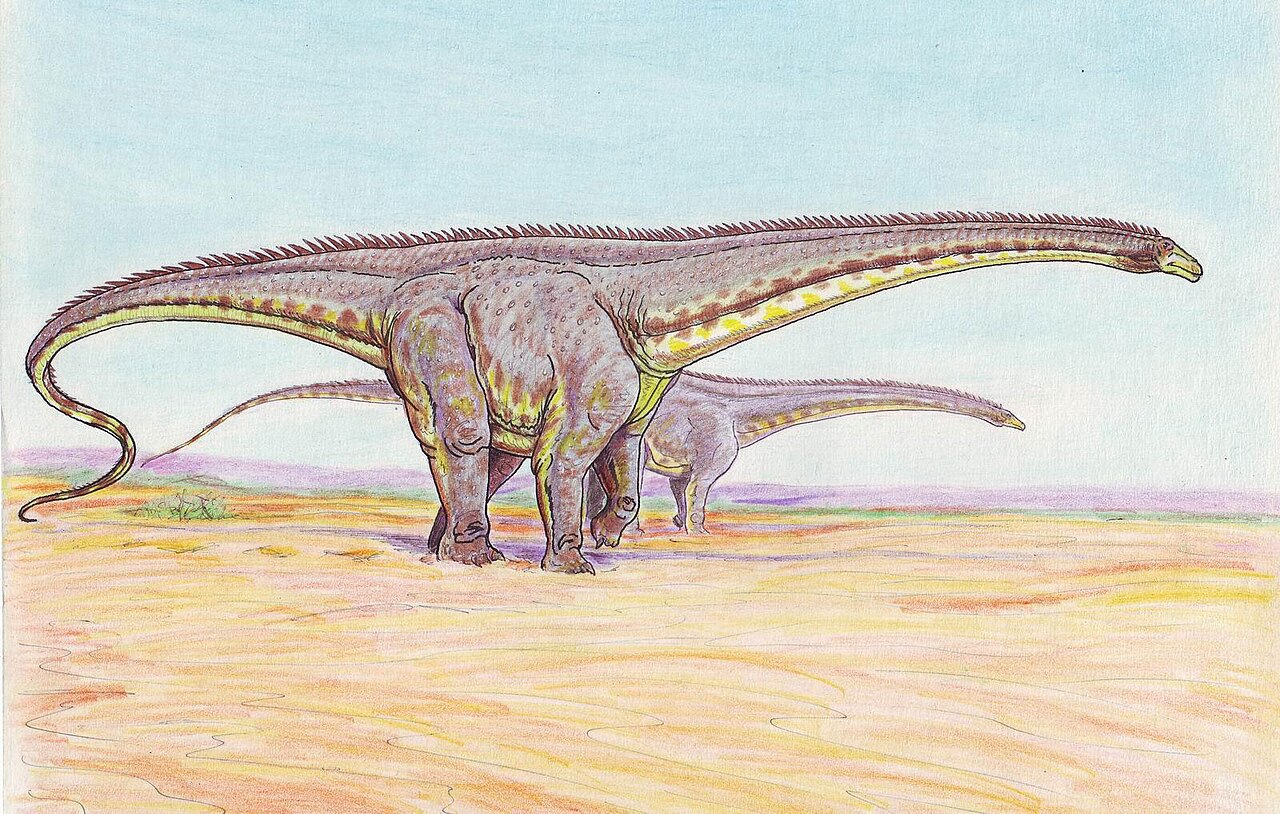
Diplodocus
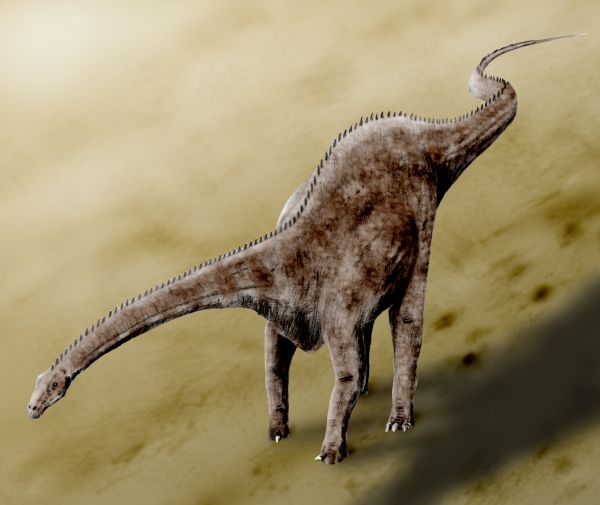
Long-necked sauropod with a whip-like tail and double-beamed chevrons.

Didier Duforest · CC BY-SA 3.0
Diplodocus is an extinct genus of diplodocid sauropod dinosaur known from the Late Jurassic of North America and possibly Europe. W. It is one of the more common dinosaur fossils found in the middle to upper Morrison Formation, living in what is now mid-western North America at the end of the Jurassic period.
- Location
- Mid-western North America (Morrison Formation)
- Mass
- D. carnegii 12–14.8 metric tons; D. hallorum up to 38 metric tons (revised estimates as low as 21 metric tons)
- Notable features
- Long neck, whip-like tail (about 80 caudal vertebrae), double-beamed chevron bones, small peg-like teeth, forelimbs slightly shorter than hind limbs
Lore & Background
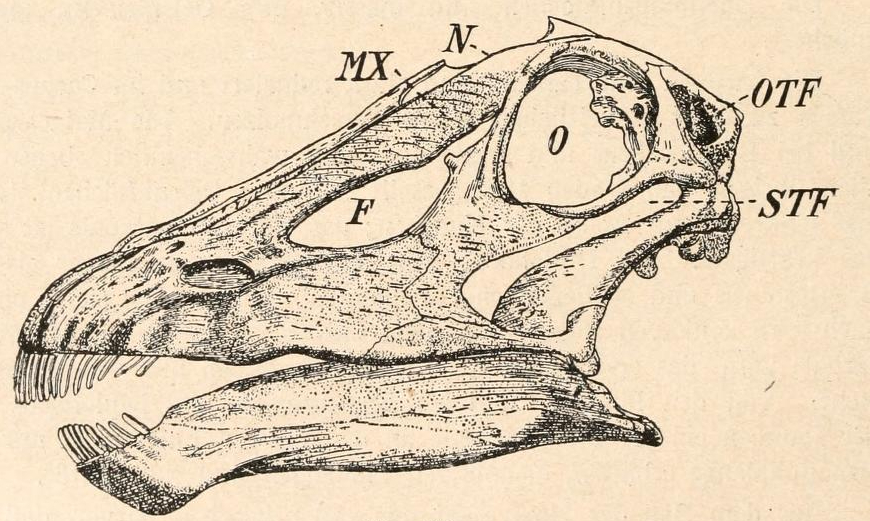
Diplodocus lived alongside other gigantic sauropods such as Apatosaurus, Barosaurus, Brachiosaurus, Brontosaurus, and Camarasaurus in the Morrison Formation. Its great size may have deterred predators like Allosaurus and Ceratosaurus, whose remains are found in the same strata. No skull has been confidently assigned to Diplodocus, but related diplodocid skulls are well known; the skull was very small relative to body size, with forward-pointing peg-like teeth only in the front of the jaws. The neck contained at least 15 vertebrae.
Reader's Guide
Diplodocus is among the best-known sauropods, with a complete skeleton of D. carnegii at the Carnegie Museum of Natural History. Its tail, comprising about 55% of total body length and 80 vertebrae, may have functioned as a bullwhip for defense or noise-making, or served as a counterbalance. The double-beamed chevron bones, once thought unique to Diplodocus, have since been found in other diplodocids and some non-diplodocid sauropods. Skin impressions from the Howe Quarry and Mother's Day Quarry reveal narrow, pointed spines (up to 18 cm) on the tail and possibly back, as well as diverse scale shapes. Size estimates for D. hallorum have been revised downward due to misplacement of vertebrae and a misplaced tail vertebra in the D. carnegii skeleton, but it remains among the longest known dinosaurs.
Did You Know?
- The name Diplodocus means 'double beam,' referring to the double-beamed chevron bones on the underside of the tail.
- The tail of Diplodocus contained about 80 caudal vertebrae, making up roughly 55% of its total body length.
- Skin impressions from the Mother's Day Quarry show scales ranging from 1 mm to 10 mm, including rectangular, polygonal, pebble, ovoid, dome, and globular shapes.
Discovery & the Double-Beam Name
W. Williston unearthed the first fossil remains that would come to define an entirely new genus of sauropod. The following year, Othniel Charles Marsh formalized the discovery by coining the name Diplodocus, a Neo-Latin construction drawn from two Greek roots: diplos, meaning double, and dokos, meaning beam. Marsh chose this name to highlight a striking skeletal feature he observed on the underside of the animal's tail — chevron bones shaped like paired parallel beams. At the time of description, these double-beamed structures were thought to be unique to this new genus, making them a defining diagnostic trait. The fossils pointed to a creature that had roamed the Late Jurassic landscapes of North America, with some evidence even hinting at a possible presence in Europe. The Morrison Formation, a rich middle-to-upper Jurassic deposit of the midwestern United States, would go on to yield the majority of known specimens, cementing Diplodocus as one of the most frequently recovered dinosaur genera from that interval.
A Colossus in Dispute
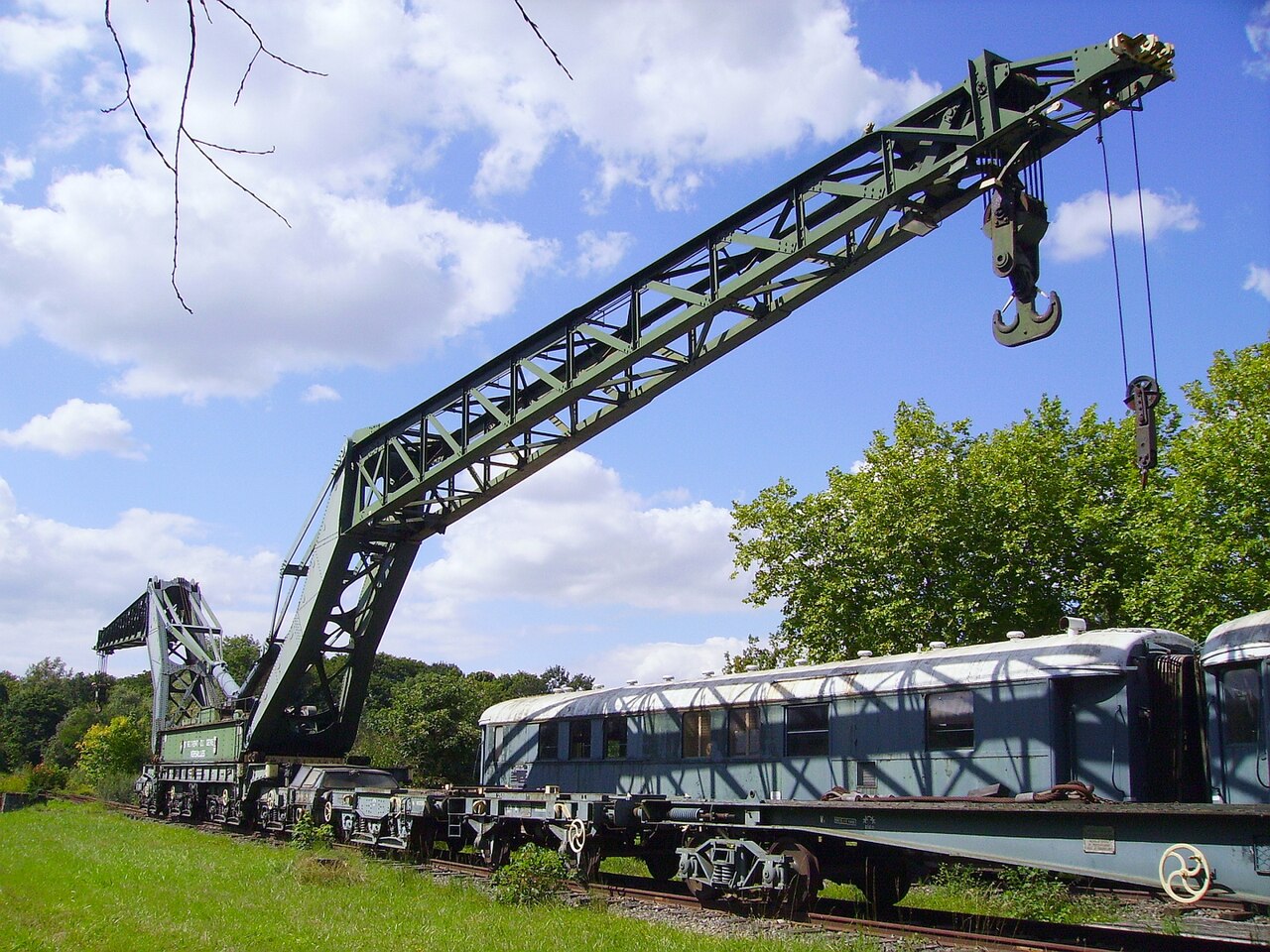
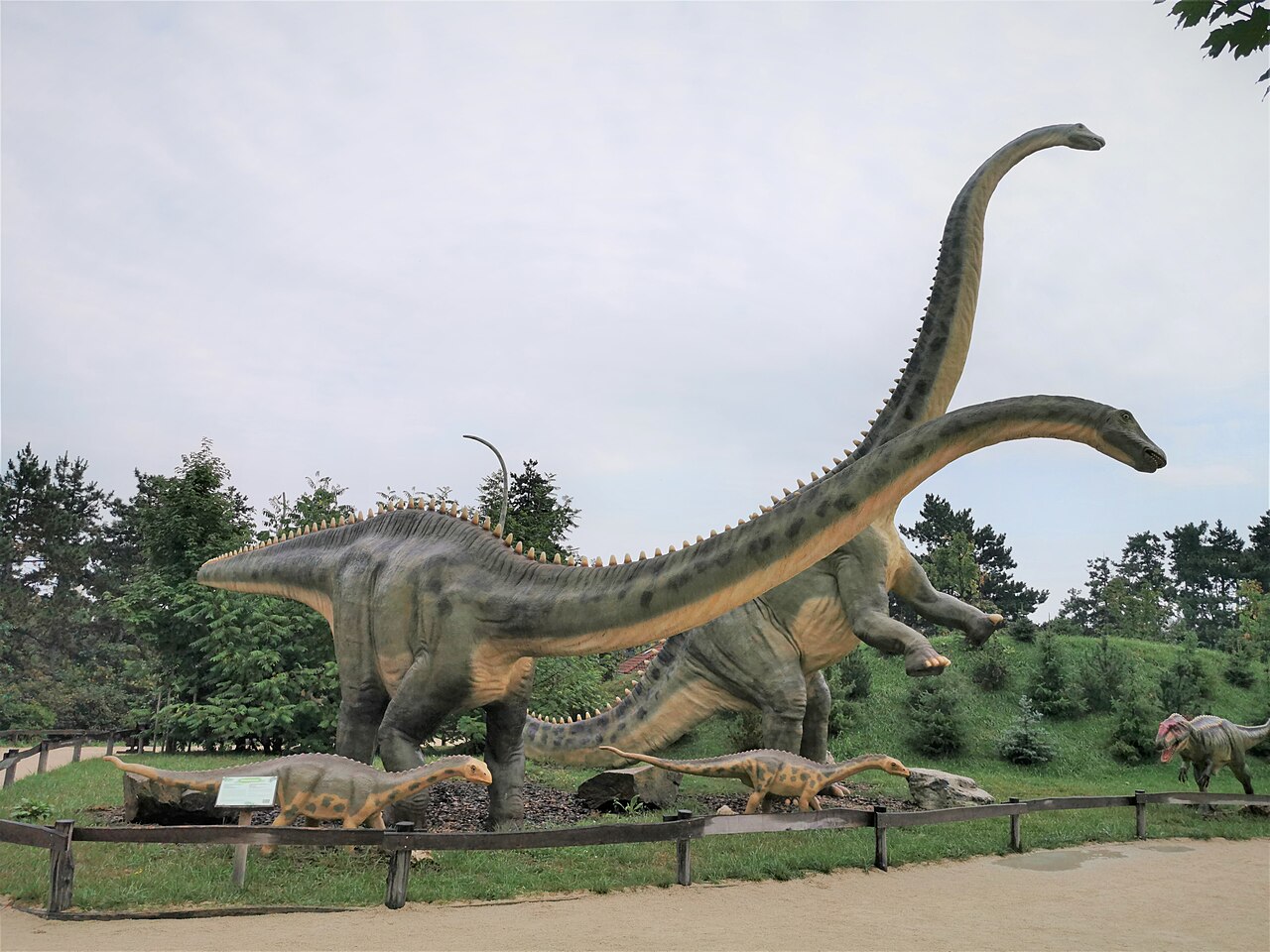
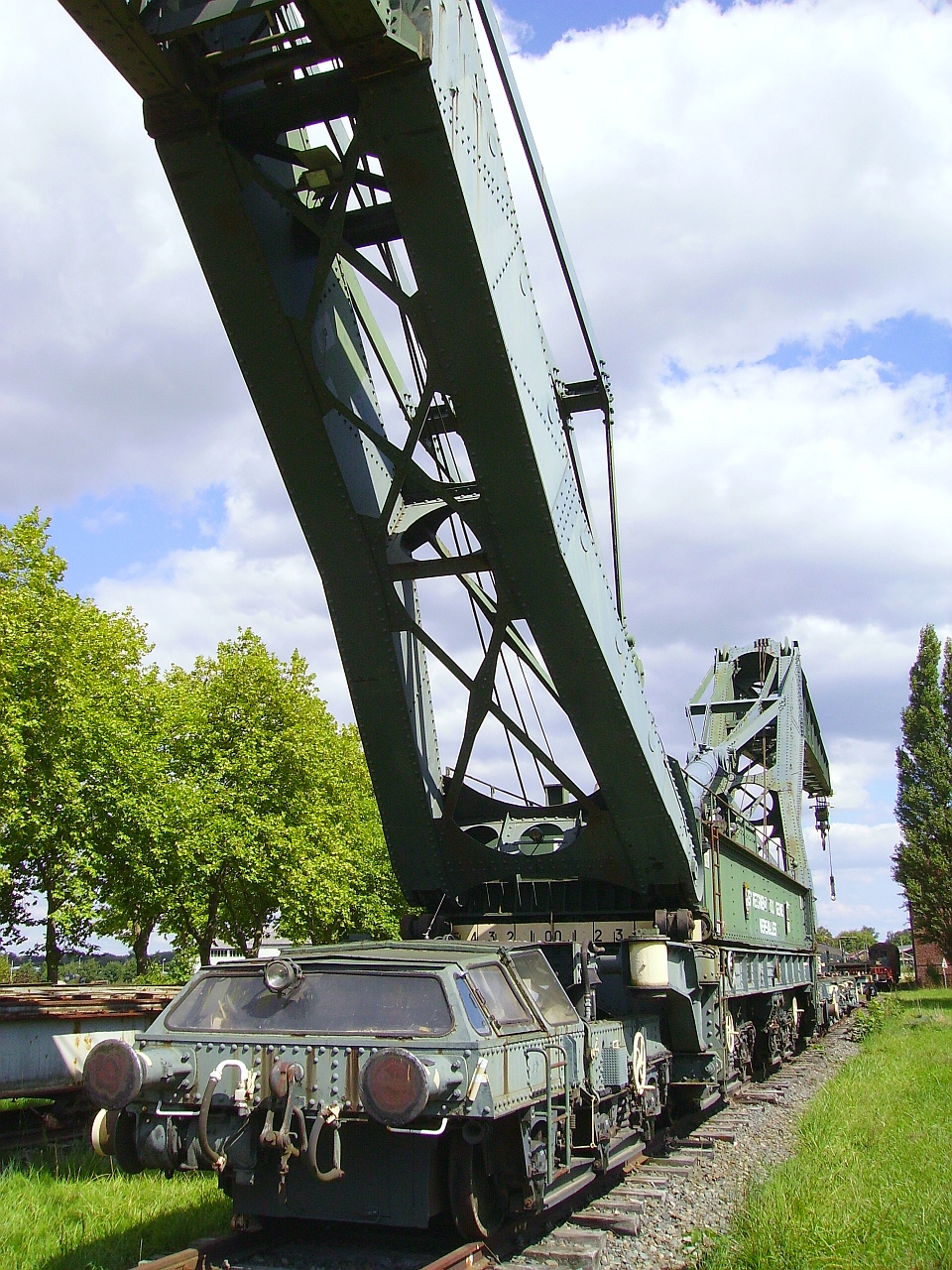
Diplodocus was a quadrupedal giant with a long neck, a whip-like tail, and forelimbs that sat slightly shorter than its hind legs, giving the whole animal a remarkably horizontal stance. Engineers have drawn parallels between its skeletal architecture and cantilever bridges, noting how the four sturdy legs supported the elongated body. The best-preserved representative, D. carnegii, stretches 24 to 26 meters and is estimated at roughly 12 to 14.8 metric tons. Yet the genus harbors a far more dramatic contender: D. hallorum. When David Gillette first described it in 1991, he scaled it to 33 meters, later pushing estimates to 39–45 meters and even speculating about individuals reaching 52 meters and 80 to 100 tons. Subsequent revisions, prompted by the discovery that Gillette had misidentified which vertebrae he was counting, pulled the length back to 29–33.5 meters. Complicating matters further, the 13th tail vertebra in the Carnegie Museum's reference skeleton turned out to belong to a different dinosaur entirely. No skull can be confidently assigned to the genus, though its small peg-like teeth and compact braincase are known from related diplodocids.
The Tail That Defined a Name
Roughly fifty-five percent of a Diplodocus's total body length was devoted to its tail, a structure built from approximately eighty caudal vertebrae — nearly double the count found in earlier sauropods like Shunosaurus and well above the fifty-three seen in contemporaries such as Camarasaurus. This extraordinary length has led researchers to speculate that the tail could function as a tapering bullwhip, potentially cracking like a coachwhip to produce a startling noise, serving as a defensive weapon, or acting as a tactile sensor. It may also have served as a counterbalance for the equally long neck. The middle section of the tail housed the famous double-beamed chevron bones that gave the genus its name; these structures may have reinforced the vertebrae or shielded blood vessels from being crushed when the heavy tail rested on the ground. Though initially regarded as unique to Diplodocus, similar chevrons have since been identified in other diplodocids and even in non-diplodocid sauropods like Mamenchisaurus. In 1990, partial skin impressions revealed that some diplodocids bore narrow, pointed keratinous spines up to eighteen centimeters long along the whiplash portion of the tail, possibly extending along the back and neck as well.
A World of Giants and Predators
The formation records an ecosystem overwhelmingly dominated by colossal sauropods; Diplodocus shared its landscape with Apatosaurus, Barosaurus, Brachiosaurus, Brontosaurus, and Camarasaurus, all of which left their own abundant fossil traces in the same rock layers. This was not a world without danger. The remains of the large theropod predators Allosaurus and Ceratosaurus have been recovered from the very same strata, strongly suggesting that these carnivores coexisted with Diplodocus and likely preyed upon or scavenged the sauropods. The sheer bulk of a mature Diplodocus — even at the more conservative size estimates — would have presented a formidable challenge to any predator, and its great size may well have functioned as a primary deterrent against attack. The Morrison Formation thus preserves a snapshot of a Late Jurassic ecosystem in which multiple species of enormous herbivores and their apex predators occupied the same floodplain and riverine habitats.
Common Misconceptions (Editorial)
A common misconception is that Diplodocus had a large skull with many teeth like predatory dinosaurs; in fact, its skull was very small relative to its body size and only had forward-pointing peg-like teeth in the front of the jaws. Another misconception is that the dinosaur's neck was flexible like a giraffe's for reaching high trees; however, the facts note the neck contained at least 15 vertebrae, and the peg-like teeth suggest a different feeding strategy. Some also mistakenly believe Diplodocus fossils are rare, but the facts confirm it is one of the more common dinosaur fossils found in the middle to upper Morrison Formation.
Why It Matters (Editorial)
Diplodocus endures in the public imagination as a symbol of the awe-inspiring scale of prehistoric life, representing a time when giants roamed the Earth. Its well-preserved fossils continue to teach paleontologists about sauropod anatomy and behavior, while its distinctive double-beamed tail and long neck make it a lasting icon of natural history and scientific discovery.
Gallery
Frequently Asked Questions
What made Diplodocus stand out among other dinosaurs?
It had an extraordinarily long neck, a whip-like tail composed of about eighty caudal vertebrae, and small peg-like teeth suited for stripping vegetation. Its forelimbs were noticeably shorter than its hind limbs, and the double-beamed chevrons on the tail's underside became its defining anatomical signature.
How big was Diplodocus?
D. carnegii typically measured 24 to 26 meters (79–85 feet) and weighed roughly 12 to 15 metric tons. The larger D. hallorum is estimated at 29–33.5 meters in length, with mass figures ranging from about 21 up to 38 metric tons depending on the revision.
Where did Diplodocus live and where are its fossils found?
The bulk of Diplodocus material comes from the middle-to-upper Morrison Formation in mid-western North America, dating to the very end of the Jurassic. A handful of researchers have proposed possible European occurrences, but the fossil record is overwhelmingly North American.
Why is Diplodocus important to dinosaur science?
Because it is one of the most commonly recovered sauropods in the Morrison Formation, it has given paleontologists an unusually rich dataset for studying sauropod anatomy, posture, and growth patterns. Its 1870s description also made it one of the first giant dinosaurs formally recognized in the United States, helping to kick off the broader era of dinosaur research.
More in Dinosaurs 1-22
Spotted an error? Know more?
This is a living reference — every entry is fact-audited, and reader corrections feed straight into our audit queue. Suggest an edit · See this site's audit record